Reclaiming the Mind, Rewriting Our Future
Author of Alike Regardless and Decolonization of the Mind — A Journey of Liberation, Memory, and Transformation.
- Who Am I? -
About Yvener Duroseau
Yvener Duroseau is a Haitian-born author, cultural commentator, and host of the 1804 Renaissance podcast. His work explores the intersections of history, identity, and decolonization, urging readers to break free from the mental chains inherited from colonial forces. His first book, Alike Regardless: This is Where It Began (2021), laid the foundation for his mission of healing divisions and seeking unity through self-reflection and love.

My book
Alike Regardless: This Is Where It Began (2021)
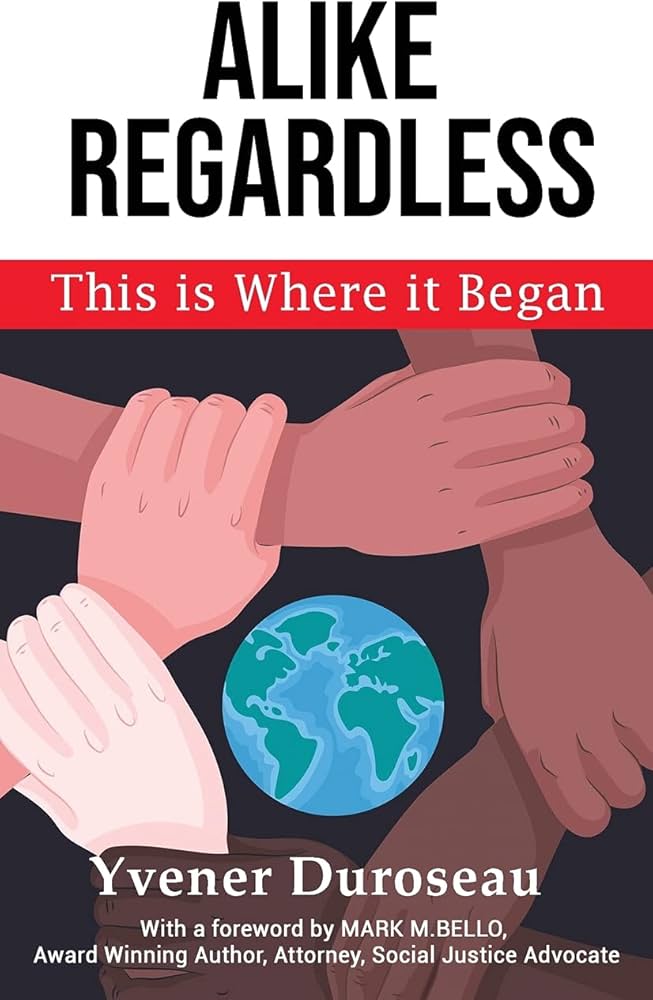

An inspiring self-help book that encourages readers to see beyond their differences and find common ground through love and self-reflection.

""Alike Regardless is spectacular!"
"It's a wake-up call for us to go back to being compassionate human beings again. Yvener gives us a blueprint to break down the walls that divide us. This book is a must-read regardless of the color of your skin." - Rene Godefroy, Award-winning Author of Kick Your Excuses Goodbye
Join the Movement for Mental Liberation
Sign up for updates, new book releases, podcast episodes, and exclusive content. Stay informed, inspired, and engaged in the ongoing fight for decolonization.
Listen to the 1804 Renaissance Podcast
Join Yvener Duroseau for deep, engaging conversations with scholars, activists, and creatives. Together, we explore the journey of liberation from a global, decolonial perspective.


Frequently Asked Questions
Why did you move away from Christianity after being raised in the church?
I was raised in a deeply Christian household and spent decades actively involved in church life. Over time, through historical study, self-reflection, and understanding the legacy of slavery and colonization, I came to realize that many of the beliefs I inherited were not chosen freely but imposed on my ancestors. My shift was not sudden—it was a long, thoughtful process of questioning and unlearning.
Does leaving Christianity mean you reject morality or spirituality?
Not at all. My departure from Christianity was not a rejection of ethics, compassion, or meaning. I believe morality and love do not require religious belief. Human dignity, empathy, and responsibility can exist independently of organized religion.
How does colonization relate to religion and belief systems?
Colonization was not only about land and labor—it was also about controlling the mind. Religion was often used as a tool to reshape identity, suppress indigenous spiritual systems, and enforce obedience. Understanding this history is central to my work on decolonizing the mind.
What does “decolonization of the mind” actually mean?
Decolonization of the mind is the process of identifying and dismantling internalized beliefs that were shaped by colonial power—about language, faith, race, culture, and worth. It is an ongoing practice of reclaiming agency over how we think, believe, and define ourselves.
Is your work anti-religion or anti-Christian?
No. My work is not about attacking individuals or their faith. It is about examining systems of power and history honestly. Many people find comfort in religion, and I respect that. My focus is on choice, awareness, and intellectual freedom.
How did your first book Alike Regardless lead to this work?
Alike Regardless focused on human unity and love as tools for healing division. At the time, I still framed these ideas through a religious lens. Decolonization of the Mind represents the next stage of my intellectual journey—moving from unity rooted in belief to unity rooted in shared humanity and historical truth.
Why is Haiti central to your work?
Haiti is the first Black republic and a symbol of resistance against colonial domination. Yet it continues to suffer from political, economic, and cultural consequences of colonialism. My work honors Haiti’s revolutionary legacy while using its history as a lens to examine global systems of power and control.
Who is this work for?
This work is for anyone willing to question inherited narratives—whether they are Black, African-descended, Indigenous, or from any background affected by colonial history. It is also for readers who value critical thinking, self-examination, and the courage to evolve.
OUR WORK
What People Are Saying!

"As a thought leader in the DEI space, I truly appreciated the book as the author does an amazing job of walking the reader through the journey of how division has torn apart humankind. Then introduces love as the key to healing these wounds. I especially enjoyed the call to action, as it encourages everyone to take a stand and work together to fight for all human beings. I would highly recommend the book to anyone looking to understand better how hatred and bias have caused division in the world and learn what steps need to be taken to move forward as a society."

Kerry D. Rosado, CEO, Founder, Leadership & DEI Consultant Dyvergent Consulting Group, LLC
"I interviewed Yvener Duroseau and read his new book. This man is a breath of fresh air in a polluted social justice atmosphere. As my readers know, I am a fervent activist for social justice, and I get very frustrated with the slow pace of progress and the negativity of our rhetoric. But Yvener and his new book, "Alike Regardless," advance an absolutely contagious positivity! I highly recommend his book to anyone seeking to part ways with a hate-filled attitude. If you are a diversity advocate, buy this important book for someone who you know is not! This was a Zoom interview, but I wanted to hug this man when we said goodbye. If all of us adopted the demeanor and philosophies of Yvener Duroseau, the world would be a far better place."
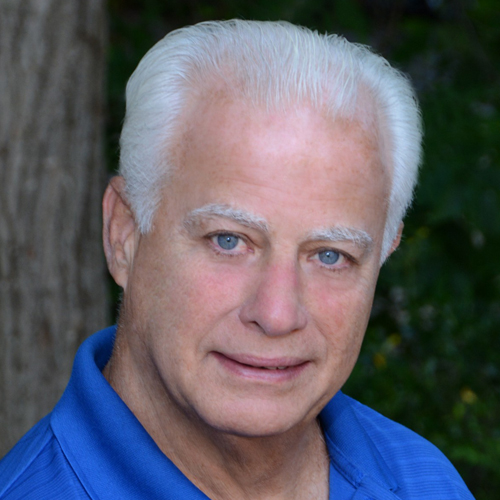
MARK M. BELLO, Award Winning Author, Attorney and Social Justice Advocate
"This book provides an insight, it educates, demonstrates how to love, how to accept yourself, your race, and for each other to understand that we are made equal. We all have blood running inside our veins. Our heart is pumping blood. We are alike regardless of race, skin, color. You have nose to breathe and so do I!"

Shouberte Jean Baptiste, Author
- OUR BLOG POST -
Latest News & Article

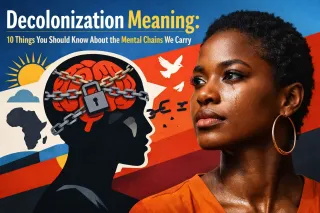
Decolonization Meaning: 10 Things You Should Know About the Mental Chains We Carry
Explore the true decolonization meaning beyond physical borders. Discover 10 essential insights into internalized colonialism, colonial mentality, and how to decolonize your mind for true mental liber... ...more
Decolonization
February 28, 2026•undefined
What They Never Meant for Us to Question
There are questions every colonized society is taught not to ask. They are not forbidden by law, but by fear. They live beneath the surface of polite conversation, beneath tradition, beneath reverence... ...more
Decolonization
January 03, 2026•3 min read

COMPANY
LEGAL
FOLLOW US


©Copyright 2026. Yvener Duroseau. All Rights Reserved.